Top Reasons to Choose Condition 1 Combat Center for Martial Arts
When people search for martial arts classes near me, they usually want more than a workout. They want structure without stiffness, challenge without ego, and mentorship that actually translates to life outside the mats. That is where Condition 1 Combat Center sets itself apart. If you are comparing Condition 1 Fitness classes in Spring, TX across gyms and programs, the difference shows up in the way classes are designed, the culture on the mat, and the consistency of results for beginners and seasoned athletes alike.
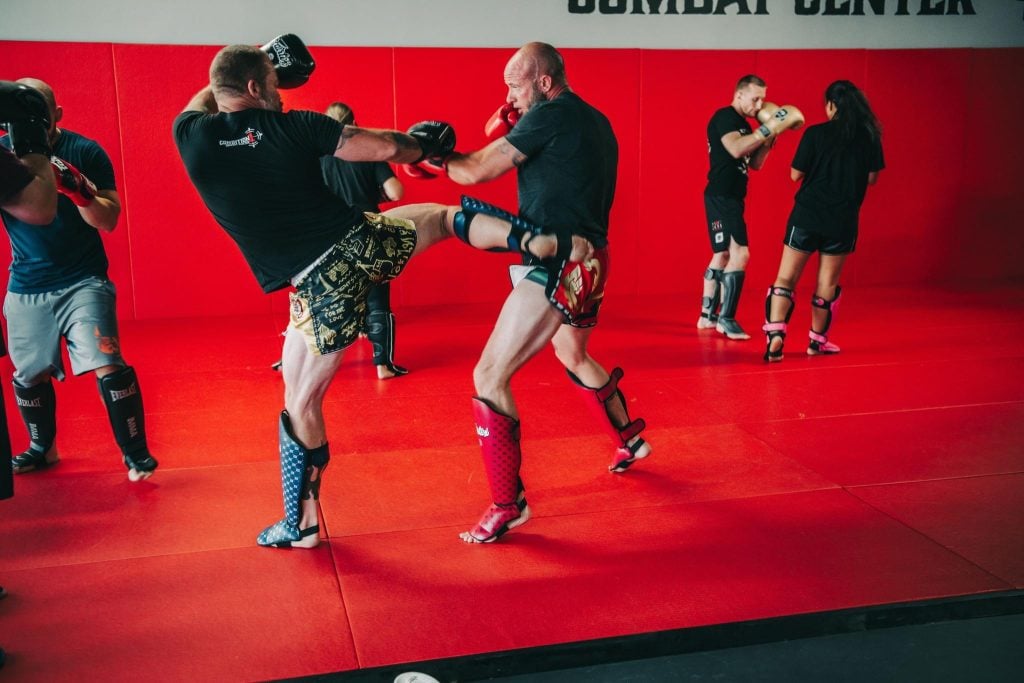
A training philosophy that works for real people
Good programs meet students where they are. Great programs move them forward with purpose. Condition 1 Combat Center runs on a progressive curriculum that balances technique, conditioning, and controlled application. Beginners do not get tossed into the deep end. They build fundamentals with clear checkpoints, then pressure test those skills in a safe, supervised format. Advanced students still follow a plan, not a random sequence of drills.
I have seen too many places teach impressive techniques without the framework to make them reliable. At Condition 1, classes are constructed around repetition with intent. Students learn why a movement works, what breaks it, and how to adjust their timing against partners who do not cooperate. That is where confidence starts, especially for those coming to beginners martial arts classes with zero experience.
Coaches who teach, not just demonstrate
A coach who can win medals is not automatically a coach who can teach. The better question is whether they can diagnose your sticking point mid-round and explain the fix three different ways until it clicks. At Condition 1, instructors track progress, assign focused work, and adjust on the fly. You will notice the ratio on the mat matters. In my experience, anything above 18 students per coach leads to missed details. The staff here keeps eyes on you, not the clock.
For kids martial arts classes, coaching quality shows up in behavior change. Look for positive reinforcement, explicit boundaries, and short, progressive challenges. You will hear coaches ask for eye contact before instructions, use names frequently, and reset posture and stance as a habit. Parents report better self-control at home because the same cues are used consistently. That kind of transfer does not happen by accident.
Safety that goes beyond waivers
Real training has contact, and contact brings risk. What separates responsible academies is how they manage it. Mat hygiene is routine and visible. Gear policies are enforced. Warm-ups prepare joints and core for the movement patterns in that day’s lesson, not just generic stretching. Sparring rounds have clear intensity guidelines, and pairs are matched by size, experience, and temperament.
I pay attention to how gyms teach falling and frames before takedowns. Condition 1 invests time here, which pays off quickly for adults in their 30s to 50s returning to fitness. You will also see mobility prep for hips and thoracic spine built into the week. Fewer tweaks, more training days, faster progress.
Programs for every stage of life
Condition 1 Combat Center offers kids martial arts classes, adult martial arts classes, and family martial arts classes that make it realistic to keep everyone on a schedule. The after school martial arts classes draw students from local schools in Spring, and the weekend martial arts classes give busy professionals and parents a chance to stay consistent without rearranging work hours.
Beginners often worry they will slow the class down, or that they might be judged for asking basic questions. The culture here is friendly, but not lazy. You will work, you will sweat, and you will leave with a concrete skill you did not have 60 minutes earlier. For those who want focused attention, private martial arts classes are available, especially helpful if you have a unique schedule or you are preparing for a specific goal like a test, a tournament, or a military or law enforcement assessment.

A quick snapshot of what stands out
- Curriculum that builds in layers, with measurable checkpoints and real application.
- Coaches who correct with clarity, keep rounds safe, and match partners thoughtfully.
- Flexible schedules, including after school and weekend options, that make consistency feasible.
- Options for every level, from beginners martial arts classes to advanced sessions and private training.
- A clean, organized facility where safety protocols are part of the routine, not an afterthought.
What progress looks like at 4, 8, and 16 weeks
Martial arts progress is not linear, but it is trackable. In the first month, most beginners improve stance, footwork, and guard position. They learn to breathe under mild pressure and recognize common cues like a level change or grip fight. By eight weeks, they can chain two or three techniques and recover when the first attempt fails. At the four month mark, their conditioning is different. Heart rate comes down faster between rounds, and they can make decisions without burning out mentally.
Kids follow a similar arc, but with more focus on listening skills and self-management. You will see kids tie their belts independently, reset stance after a scramble, and remember safety words. For parents evaluating kids programs, look for consistent mat etiquette: bowing on and off, line-up order by rank, and a clear way to handle mistakes without shaming. Condition 1 does this well, and you can see it in how smoothly transitions run between drills.

Conditioning that respects your joints and your goals
Many new adult students arrive with knee or shoulder history. Smart coaching adapts conditioning around that without losing intensity. Expect posterior chain work, rotational core drills, and low-impact intervals on days when striking or grappling volume is high. Heavy eccentric loading is kept reasonable on nights with more live rounds. The idea is to protect your ability to train tomorrow, not win the warm-up.
If fat loss or general fitness is one of your goals, the integration of high-skill drills with short conditioning bursts is ideal. You are not doing random burpees. You are building capacity that supports technique, which keeps you engaged longer than a generic boot camp ever could. For those specifically seeking Condition 1 Fitness classes in Spring, TX, the conditioning blocks tie directly to the martial curriculum, so you are not splitting energy between two unrelated programs.
Culture you can feel in the first 10 minutes
A good test of any academy is how they handle the new person who walks in five minutes before class. Do staff greet them, find out their goals, and set the right expectations, or do they point to a waiver and leave them standing? At Condition 1, intake is organized. You get a simple orientation, a coach learns your name, and someone checks your gear for safety. If you show up without equipment, they have clean loaners or rental options with clear policies.
On the mat, higher ranks model the standard. New students are welcomed but coached to follow the room’s etiquette immediately. Drills start on time. Partners are rotated intentionally to expose you to different styles and sizes. Roll or spar intensity is discussed, not assumed. That kind of structure protects the room and accelerates learning.
Structure that supports families and working adults
Traffic along the major Spring corridors can be unpredictable. A school that understands that plans accordingly. Condition 1 runs sessions at staggered times so parents can move from kids classes to their own adult session without long gaps. Weekend options help you bank training if your weekdays collapse. For those scouting local martial arts classes, look at the weekly calendar and count how many realistic touchpoints you can maintain, not just how many total classes are listed.
After school programs live or die by their pickup and handoff process. The better programs keep a clean roll sheet, confirm authorized guardians, and give kids a short window for snack and hydration before training. That small buffer prevents sugar crashes and cranky behavior midway through class. Ask to watch that transition once. You will learn a lot about how a school runs.
Accountability beyond attendance
Attendance alone does not guarantee improvement. Condition 1 uses simple, visible progress markers. That might include technique checklists for rank tests, targeted rounds where you must win with a specific tactic, or time trials for a mobility standard. None of this is gimmicky. It makes feedback concrete and allows coaches to personalize guidance.
If competition interests you, the staff can outline a realistic path, usually a 10 to 16 week cycle that blends skill development, conditioning, and strategy rehearsal. For those who never want to compete, the same frameworks are valuable. You get to train with intention without stepping into a tournament.
Fair pricing and real value
Affordable martial arts classes do not have to mean cut-rate instruction. Costs in the Spring area vary, but what matters is clarity. Condition 1 posts options plainly, explains what is included, C1 Combat and avoids surprise add-ons. Family plans are common, and they often make a difference when two or more members train. Private sessions cost more, as expected, but they can compress months of trial and error into a few focused hours. If you have been comparing Condition 1 Fitness classes in Spring, TX to other local offerings, weigh the quality of coaching, schedule access, and safety standards, not just the monthly fee.
What a smart training week can look like
People often ask how to structure their time when life is busy. Here is a pattern that has worked well for students who train three days per week. Start the week with a technical class that ends with light positional rounds. Midweek, choose a session with more live work where you emphasize a single theme, like guard retention or jab variance. On the weekend, hit a class that leans conditioning or drilling density. If you miss your midweek, reschedule a private session to refine the theme so you are not playing catch-up. Consistency beats intensity, especially in the first 90 days.
The beginner’s experience, step by step
Your first class starts with a short orientation. You will learn how to line up, how to tap or signal a stop, and what any house-specific rules mean for you. The warm-up focuses on movement patterns you will use that day. Drills start with a single technique, then a simple sequence, then a round where your partner offers measured resistance so you can feel the timing. Everything is supervised. Coaches walk the room, correct posture, and keep partners matched well.
For those nervous about contact, say so up front. You will not be pressured into rounds you are not ready for. You will, however, be shown how to defend yourself, how to fall safely, and how to hold pads or grips correctly so your partner can train too. That mutual responsibility builds trust quickly.
Kids programs that reinforce what parents teach at home
Good kids martial arts classes are not recess with uniforms. They are structured lessons that connect physical skills to character skills. Expect to hear clear language around respect, focus, and resilience. Coaches use short, energetic intervals and rotate activities often to match attention spans. Belts or stripes are earned with demonstration, not simply time served. Parents appreciate the behavior contracts that translate to chores and homework. If a child shows maturity on the mat, parents can reference that at home. It is a shared vocabulary that actually works.
After school martial arts classes add a layer of routine that helps many families. Homework windows, snack plans, and a direct handoff to training remove daily decision fatigue. Kids burn energy productively, then go home settled and tired in the right way.
Options for the serious learner
Some students want depth. They want to know grips that work against specific body types, how to manage energy in the third round, or how to switch stances without telegraphing. Private martial arts classes are ideal for this. A coach can record a few reps on your phone, break down mechanics, and give you a short homework plan. Do that once per month in addition to regular classes and you will notice a different slope to your progress curve.
If competition is on your radar, look for targeted rounds like situational sparring from bad positions, or coaching on corner communication and strategy. Condition 1 offers that structure so you are not improvising on event day.
Respect for different reasons to train
Not everyone walks in the door for the same reason. Some want a healthier heart and better mobility. Others want self-defense skills that feel reliable. Parents want their kids to grow confident without becoming bullies. Young athletes seek a base for other sports. All of these reasons are valid. A strong academy holds standards while meeting divergent goals. Condition 1 balances those threads without diluting the quality of instruction.
This is also where community matters. Training partners become the reason you show up on hard weeks. The best rooms are welcoming but demanding. You will be pushed to work hard, yet protected from reckless behavior. The result is a place you can commit to for years, not months.
How to evaluate any martial arts school in Spring
If you are cross-shopping local martial arts classes or browsing condition1combat.com for schedule and program details, use a practical checklist during your visits. Watch a warm-up and ask why each element is included. Note coach-to-student ratios and how corrections are delivered. Ask about rank criteria, safety gear policies, and how injury protocols work. See if new students are integrated seamlessly or left to fend for themselves. Check the calendar for realistic time slots, including weekend martial arts classes. Finally, talk to a couple of students at different levels. Their answers will tell you if the culture aligns with what you want.
Making the first visit count
Bring water, wear comfortable athletic clothes, and arrive ten minutes early to handle waivers. If you already own gear, have it inspected for safety. If not, borrow or rent. Tell the coach your training history and any injury concerns. During class, focus on one or two cues rather than trying to memorize everything. After class, write down what you learned and one question for next time. That small habit turns scattered impressions into a learning plan.
It also helps to set a realistic commitment. Two to three sessions per week beats a burst of daily training followed by burnout. Schedule your next class before you leave the building, and if you are juggling work and family, ask staff about the best combination of sessions to stay consistent.
Why Condition 1 often ends up the smart choice
You will find plenty of options when searching for Condition 1 Fitness classes in Spring, TX or scanning for adult martial arts classes and kids sessions. What pushes Condition 1 Combat Center to the top for many is the combination of clean structure, thoughtful coaching, safe intensity, and schedules that make real life easier. It is a place where beginners do not feel lost, where serious learners are challenged, and where families can train together without chaos.
If you are on the fence, book a trial through condition1combat.com or drop by to watch part of a class. Pay attention to the small things, because those are what you will live with week after week. If the culture, coaching, and curriculum click for you, you will have found not just a gym, but a home base for personal growth.